For Full Prescribing Information including BOXED WARNING and Medication Guide, see @xeominaestheticpi Transparency is ev...
Our take
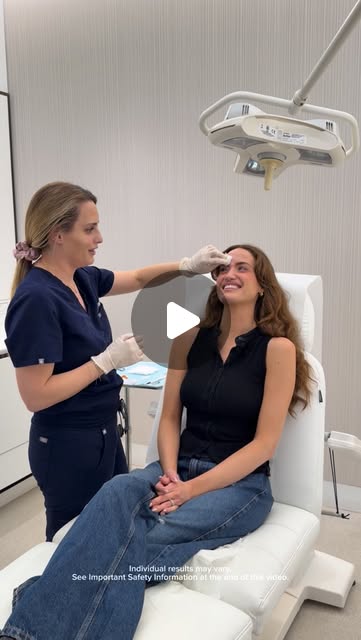
The beauty industry’s increasing embrace of transparency, while seemingly straightforward, represents a significant shift in how brands communicate with consumers, particularly when it comes to injectables. This post, showcasing an influencer’s Xeomin treatment, exemplifies the trend. It’s a far cry from the days of heavily filtered images and vague promises of “youthful radiance.” The direct acknowledgement of aging – "I love aging… but I don’t love wrinkles" – paired with the disclaimer about potential side effects, aligns with a growing desire for authenticity. This mirrors sentiments expressed in articles like [that’s enough internet for today], where the exhaustion of curated online personas is palpable, and [feminist king], which celebrates a rejection of traditional, often unattainable, beauty standards. The willingness to share the process, including the necessary FDA warnings, signals a move away from aspirational perfection and towards a more grounded, relatable aesthetic.
What’s particularly noteworthy is the way this post balances disclosure with aspirational messaging. The influencer isn’t shying away from the desire to mitigate wrinkles; instead, they’re framing it as a personal choice. This approach acknowledges the valid desire to feel confident and empowered in one's appearance while remaining honest about the interventions involved. The inclusion of the full prescribing information link (@xeominaestheticpi) and the explicit listing of potential risks (swallowing problems, allergic reactions, etc.) demonstrates a commitment to responsible marketing that goes beyond surface-level aesthetics. The juxtaposition of luxury—implied by the use of Xeomin, a premium product—and the casual tone ("because I love aging… but I don’t love wrinkles") creates a relatable glamour that appeals to a wider audience. It's a clever strategy, subtly reinforcing the idea that accessible self-care can coexist with high-end treatments. The humor ("Yes, it’s couture. Yes, I practiced that walk in my kitchen.") is a perfect embodiment of the Haley Kalil brand voice, defusing any potential pretension and inviting viewers into the experience. This is further illustrated in [& to think I thought he could have been the one hahahah] a lighthearted acknowledgement of the pitfalls of expectation.
The broader significance of this trend lies in its potential to reshape the entire aesthetic landscape. For years, the narrative surrounding beauty treatments has been largely controlled by brands, often with a focus on unattainable ideals and unrealistic results. By embracing transparency and showcasing real people with real concerns, influencers and brands alike can foster a more honest and inclusive conversation. This doesn’t mean abandoning aspirational messaging altogether; rather, it means grounding those aspirations in a foundation of authenticity and informed consent. The key is to empower consumers to make choices that align with their individual needs and values, rather than feeling pressured to conform to narrow definitions of beauty. Furthermore, this increased transparency is likely to influence regulatory scrutiny, pushing brands to be even more forthcoming about potential risks and benefits.
Looking ahead, it will be fascinating to see how this trend evolves. Will transparency become the norm across all beauty categories, or will it remain largely confined to injectables? Will consumers continue to demand more honesty from brands, or will the allure of curated perfection prove too strong? One thing is certain: the conversation around beauty is changing, and the willingness to be open and honest – even about wrinkles – is becoming increasingly valuable. The question becomes: how far will brands be willing to go to earn and maintain consumer trust in an era of heightened scrutiny and unprecedented access to information?
Read on the original site
Open the publisher's page for the full experience