Iran Allows ‘Non-Hostile’ Ships To Transit Strait Of Hormuz As Global Oil Trade Faces Massive Disruption
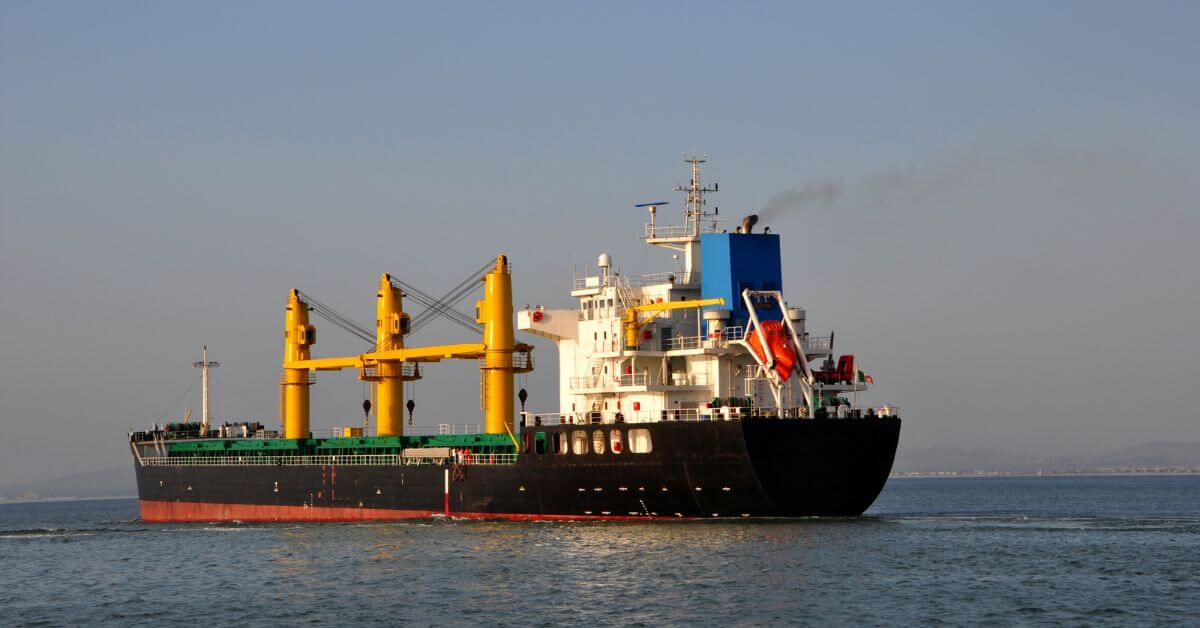
Iran has informed the United Nations and the International Maritime Organization (IMO) that “non-hostile” ships can pass through the Strait of Hormuz if they coordinate with Iranian authorities.
The note from Iran’s Ministry of Foreign Affairs was sent to the 15-member UN Security Council and UN Secretary-General Antonio Guterres on Sunday, March 22, and then circulated to all 176 IMO member states on Tuesday.
According to the note, “non-hostile vessels, including those belonging to or associated with other states, may-provided that they neither participate in nor support acts of aggression against Iran and fully comply with the declared safety and security regulations-benefit from safe passage through the Strait of Hormuz in coordination with the competent Iranian authorities.”
Iran also made clear that vessels, equipment, or assets belonging to the United States or Israel, as well as other participants in the conflict, “do not qualify for innocent or non-hostile passage.”
The note added that Iran has taken “necessary and proportionate measures to prevent the aggressors and their supporters from exploiting the Strait of Hormuz to advance hostile operations against Iran.”
The Strait of Hormuz is one of the world’s busiest oil and gas routes, and tanker operators have stopped sending ships through the waterway because of security fears.
Around 800 tankers are now idling on both sides of the strait, while a small number of vessels have recently transited, indicating Iran is allowing passage for certain ships.
According to Kpler, 17 ships have been struck in the region since February 28, when the US-Israel conflict with Iran escalated.
Iran’s letter said ships passing through must “fully comply with the declared safety and security regulations,” but did not provide specific rules.
The letter also said that full restoration of security and stable conditions in the strait depends on the end of military aggression and threats.
It is not yet clear if the letter will convince many shipowners to resume voyages through the strait. Analysts note that a widespread return of shipping may only happen if the United States, Israel, and Iran reach some agreement to stop the war.
Despite this, Iran’s letter signals that the strait has not been formally blocked.
The disruption in oil and gas shipments is affecting economies worldwide, especially in Asia, where countries rely heavily on Middle East energy supplies.
Some tankers may travel through if they trust Iran’s assurances, but most shipping companies remain cautious due to security risks.
References: Reuters, nytimes
Want to read more?
Check out the full article on the original site