Iran Drafts Law To Impose Tolls On Ships Transiting Strait Of Hormuz
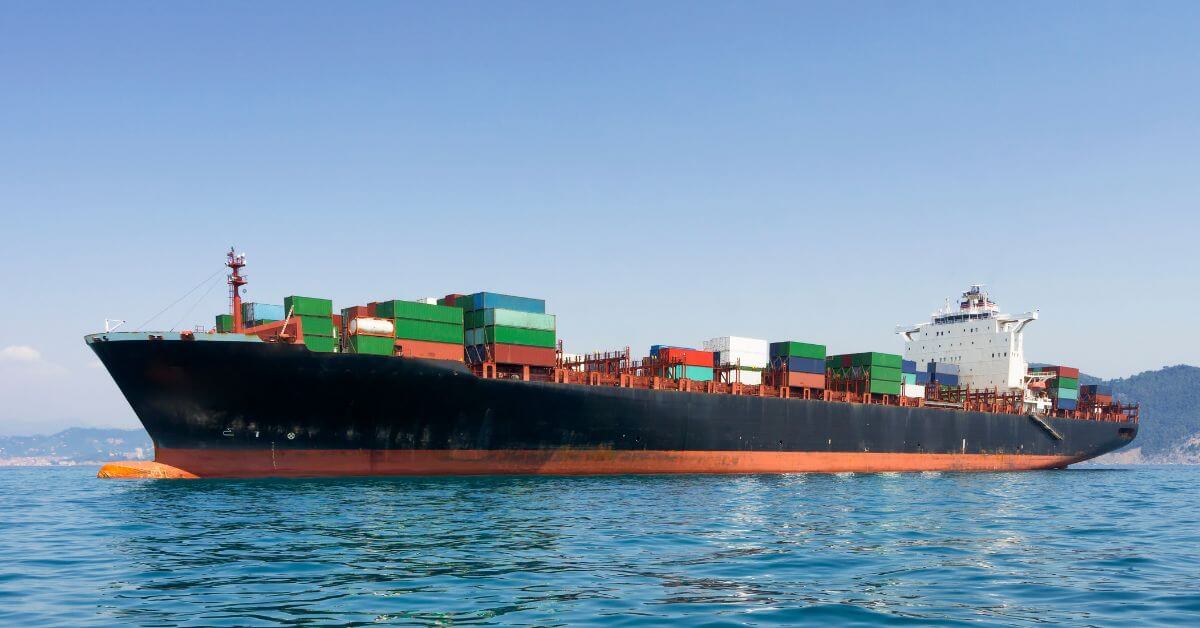
Iran is working on a new law that could require ships to pay for safe passage through the Strait of Hormuz, one of the most important routes for global oil trade.
The plan comes as ship traffic in the area remains very low following weeks of conflict involving the United States and Israel. The situation matters globally because a large share of the world’s oil moves through this narrow waterway.
According to Fars News Agency, Iran’s parliament is drafting a bill that would introduce a fee for vessels seeking safe transit.
The proposal is expected to be finalised soon and would formally recognise Iran’s control over the strait. This would turn what has so far been an informal arrangement into a legal system.
In recent weeks, only a small number of ships have managed to pass through the strait. Most of them are linked to Iranian or Chinese interests.
A few others were allowed to pass after securing safe passage through the Islamic Revolutionary Guard Corps. The waterway has been close to shut since the strikes on Iran began nearly a month ago.
Shipping companies have already reported being asked for details about their crew, cargo, and voyage through intermediaries.
In some cases, they were also asked to pay fees. These payments have gone up to about $2 million per ship, but the system has not been applied in a consistent way.
Companies are trying to deal with vessels and cargo still stuck in the Gulf, but they also face risks related to sanctions and safety. Passage through routes like Hormuz is usually protected under international law, which makes the situation more complicated.
Amanda Bjorn from Cambiaso Risso Asia said at a maritime conference that the main issue is whether shipowners can trust such arrangements.
She also pointed out that restrictions like these could affect global trade, which has depended on free movement through such routes for many years.
The disruption in Hormuz has already affected oil supply. Some production in the Gulf has been shut in, and a few refineries have been damaged during the conflict. Oil prices have gone up as a result, with Brent crude crossing $114 per barrel earlier this week.
Reference: Reuters
Want to read more?
Check out the full article on the original site